

Pierre-Laurent Aimard – an afternoon of music and conversation
November 22 @ 2:00 pm - 4:00 pm
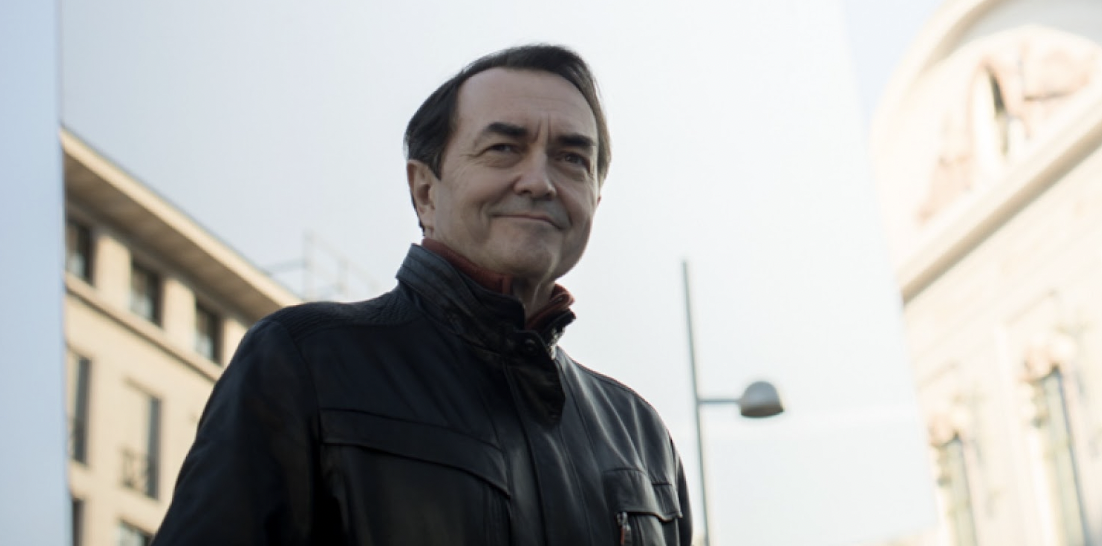
One of the major figures of music in our time, Aimard shares his insights about Arnold Schoenberg and his legacy in contemporary music. Join us for this rare opportunity to hear this exciting artist in a lively conversation with LA Times music critic Mark Swed, illustrated at the piano.
*
Pierre-Laurent Aimard was born in Lyon in 1957. He entered the Paris Conservatory at age 12 as a pupil of Yvonne Loriod, also studying with Maria Curcio in London. In 1973, he won first prize at the Olivier Messiaen Competition, which launched his international career and established him as one of the composer’s major interpreters. In 1977, Aimard was invited by Pierre Boulez to join the newly founded Ensemble intercontemporain, where he remained as principal pianist for 18 years. During this time, he participated in many world premieres.
Widely acclaimed as a key figure in contemporary music, Aimard has collaborated closely with Helmut Lachenmann, Karlheinz Stockhausen, György Kurtág, György Ligeti (recording his complete works), as well as with George Benjamin and Marco Stroppa among other composers. He is also recognised as a leading interpreter of traditional repertoire, giving solo and chamber music recitals and appearing with major orchestras and conductors around the world. In 2017, he was awarded the International Ernst von Siemens Music Prize in recognition of a life devoted to the service of music. In 2022, he received the Léonie Sonning Music Prize — Denmark’s highest musical honour. He has held professorships at the Cologne University of Music and Dance, Paris Conservatory and Royal Academy of Music, and the prestigious Artistic Creation annual chair at the Collège de France in Paris.
His many successful recordings include Bach: Well-Tempered Clavier Book II (2025), which follows the release of Book I in 2014; Kurtág: Játékok (2025); Schubert: Ländler (2024); Messiaen’s Catalogue d’oiseaux; and Bach: The Art of Fugue (2008), which debuted at no. 1 on Billboard’s Classical Albums Chart and won the Diapason d’Or.
Made possible in part by support from Villa Albertine, the French Institute for Culture and Education.